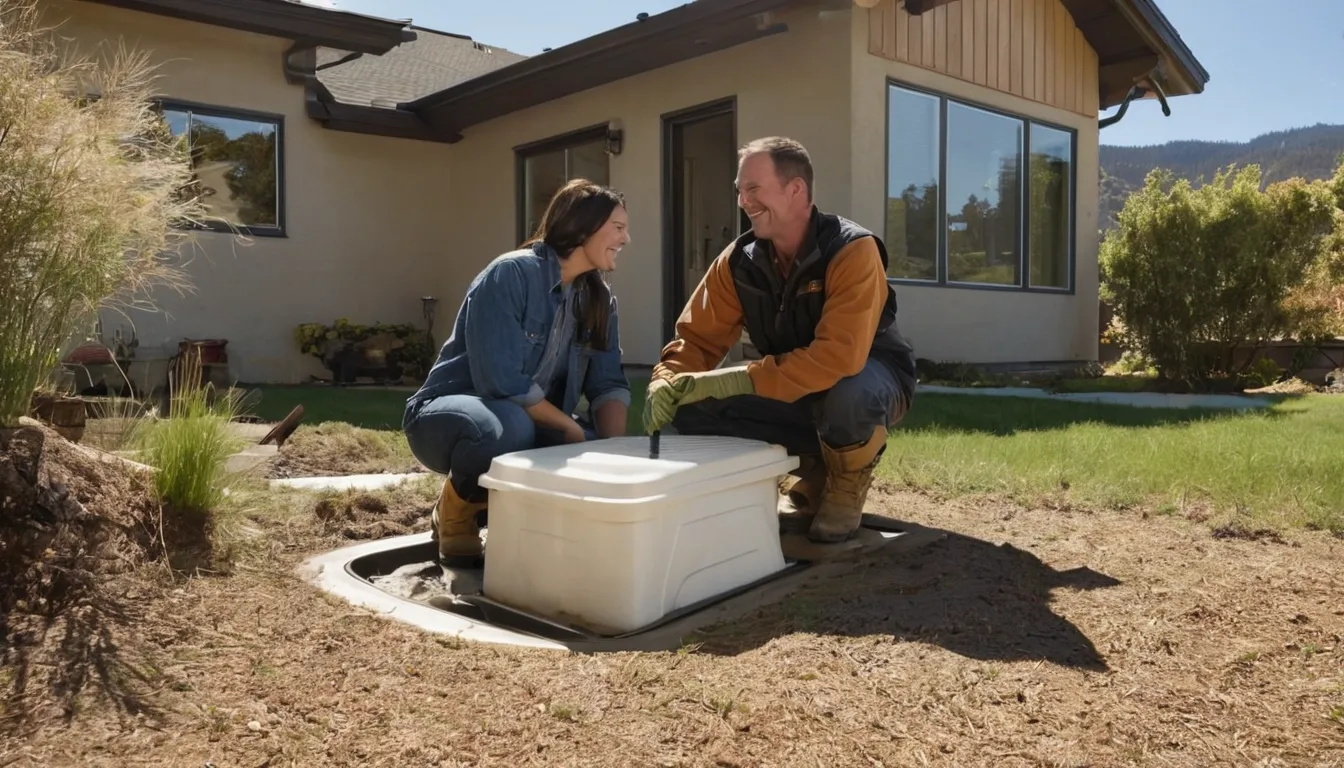
Say you notice a gurgle in the pipes on Monday. By Wednesday a toilet is slow. By the weekend, a damp spot shows up in the yard. That is how septic trouble tends to grow, one small sign after another.
Magyarturista Septic is a referral service. It connects homeowners in the Farmington area with independent local providers in its network who inspect the system and do the repair. Magyarturista Septic does not do the work itself. The provider sets the scope and the price. Read the timeline on this page, catch the signs early, and ask for a written quote before any work starts.
Say You Notice a Gurgle Today
Picture a quiet evening. You run the washer, and the shower drain makes a low gurgle. Nothing is flooding. It is easy to shrug off.
That gurgle is often the first line of the story. Air is struggling to move through pipes that are slowing down. Catch it early, and the fix may be small.
Hour One to Day One: The Quiet Clues
In the first hours, signs are faint. Look for these:
- Gurgling sounds in drains
- A faint sewage smell near the tank or drainfield
- Water that drains a little slower than usual
Write down what you see and when. A provider can use that note to narrow down the cause.
Day Two to Day Three: Backups Begin
Now say a toilet will not flush well. Then a tub gets a ring of gray water. Waste has nowhere to go, so it looks for the nearest drain at the bottom of the house. In homes with basements, that is often the basement floor drain.
Stop heavy water use. Skip laundry and long showers. Less water in means less pressure on a struggling system.
Day Four to Weekend: Trouble in the Yard
Say you step outside and the grass over the drainfield feels spongy. Maybe it is greener than the rest of the lawn. Maybe there is standing water or a bad smell.
This points to effluent surfacing. It is a health concern, so keep kids and pets away from the area.
Common Septic System Problems
Providers in our network often find a few repeat causes:
- A cracked or leaking tank
- Broken baffles or outlet tees
- Clogged or crushed pipes between the house and tank
- A failed pump or float in systems that use them
- A drainfield that no longer absorbs water
Each one has a different fix. That is why a proper inspection comes first.
Tank Problems
Septic tanks hold solids while liquid flows out. Cracks let groundwater in or waste out. A broken baffle lets solids slip toward the drainfield. Both can be repaired or replaced, depending on the damage.
If the tank is simply full, that is a pumping job, which has its own page.
Pipe and Pump Problems
Roots, settling soil, and heavy loads can break pipes. In cold country, deep frost and a fast spring melt can shift the ground. A shifted pipe may hold water in a low spot and clog.
Pump systems add moving parts. A stuck float or dead pump can cause a backup even when the tank is fine.
Drainfield Repair and Replacement
The drainfield is where treated liquid soaks into the soil. When it fails, water pools or backs up. Drainfield repair may mean fixing a clogged line, adding a distribution box, or resting part of the field.
If the soil is ruined, replacement may be the only path. This is the most costly repair, so it pays to act while trouble is small.
How Septic Repair Works
A typical job follows a clear order:
- The provider asks about symptoms and the timeline.
- They locate and open the tank, check levels, and look at baffles.
- They test flow to the drainfield and probe the soil.
- They explain the findings and give a written quote.
- They repair, then check that everything flows as it should.
Some jobs also need a local permit. Ask the provider if one applies.
Repair or Replace?
Say a system is old, the drainfield is soaked, and repairs keep stacking up. A provider may suggest replacement. Say the fault is a broken pipe or baffle. Repair is usually enough.
Ask for both options in writing, with the reasons. Compare the cost of repeat repairs to one larger fix.
Weather Can Speed Things Up
Heavy snow and a fast melt can saturate the soil. A drainfield that was barely coping may fail in a few days. Hail and sun rarely harm buried parts, but dry, hard ground can crack pipes near the surface.
After a wet spring, watch the yard and drains closely.
Fix, Then Protect
After the repair, the goal is to keep the story from repeating. Simple habits help:
- Spread laundry across the week
- Fix dripping fixtures and running toilets
- Flush only toilet paper and waste
- Keep cars and heavy equipment off the drainfield
- Plant grass, not trees, over the field
- Schedule regular inspections and pumping
Keep a simple folder with the repair report and a map of the tank and field.
Insurance and Documentation
Some policies may cover sudden damage, though many exclude wear and tear. Check your policy. Providers can often help document damage for a claim, so ask for photos and a written report.
Questions to Ask the Provider
- What caused the problem, and how do you know?
- Is this a repair or a replacement, and why?
- Does the quote include permits and cleanup?
- How long is the work expected to take?
- What upkeep do you suggest afterward?
Your Next Step
If you see even one sign, do not wait for the weekend version of the story. Request a callback to check provider availability, or request an estimate through the form.
What's Included
System Inspection
A provider checks the tank, baffles, pipes, and drainfield to find the real cause before any repair begins.
Tank and Baffle Fixes
Cracked lids, broken baffles, and leaking tanks can often be repaired or replaced.
Pipe and Pump Repair
Clogged, broken, or shifted lines and failed pumps are fixed to restore flow.
Drainfield Repair Options
Providers may clear lines, repair parts, or advise replacement of the field.
Typical Septic Repair Cost Ranges
These are typical U.S. ranges only. Real prices vary by job, soil, access, and local permit rules, so always get a written quote from the provider before work starts.
| Repair item | Typical range | Notes |
|---|---|---|
| Inspection and diagnosis | $100 – $500 | Depends on access and testing |
| Baffle or outlet tee repair | $300 – $900 | Often a smaller fix |
| Pipe repair or replacement | $500 – $4,000 | Length and depth change the price |
| Pump or float replacement | $400 – $2,000 | For systems with pumps |
| Drainfield repair | $2,000 – $10,000 | Depends on how much is damaged |
| Full system replacement | $8,000 – $30,000 | Soil, size, and permits matter |
How It Works
Spot the Signs
Note gurgles, slow drains, smells, or soggy yard spots, and when each one started.
Reach Out
Request a callback to check provider availability, or send a request through the form.
Review the Quote
A local provider inspects the system and explains the cause and options in writing.
Repair and Protect
The provider completes the work, then you follow simple upkeep to protect the system.
Why Call Magyarturista Septic
Timing Changes Outcomes
A small fix on day two often costs far less than a drainfield failure weeks later.
Plain Explanations
Each problem is described step by step, so you know what to ask the provider.
Independent Providers
Providers in our network are local businesses that do the work and set their own prices.
Upkeep Advice
After the repair, simple habits help keep the same trouble from coming back.
Other Services
Need septic system repair in Farmington?
- Independent local providers do all the work
- Written quotes before any work starts
- Sewer line and septic repair
- No obligation to hire
Septic System Repair FAQ
What are the first signs my septic system needs repair?
Early signs include gurgling drains, slow flushing, and a faint sewage smell. Later signs include backups, wet or spongy ground over the drainfield, and unusually green grass. Do not ignore the early ones.
Can a failing drainfield be repaired?
Sometimes. If the problem is a clogged line or a damaged part, repair may work. If the soil can no longer absorb water, a provider may suggest replacement instead.
How much does septic system repair cost?
Typical U.S. costs range from a few hundred dollars for a small fix to tens of thousands for a full replacement. Prices vary by job, so get a written quote before work begins.
Tell us what happened
Describe what you are seeing, from slow drains to wet ground, and Magyarturista Septic will point you to a local provider. Email contact@magyarturista.quest or send the request form.
No obligation